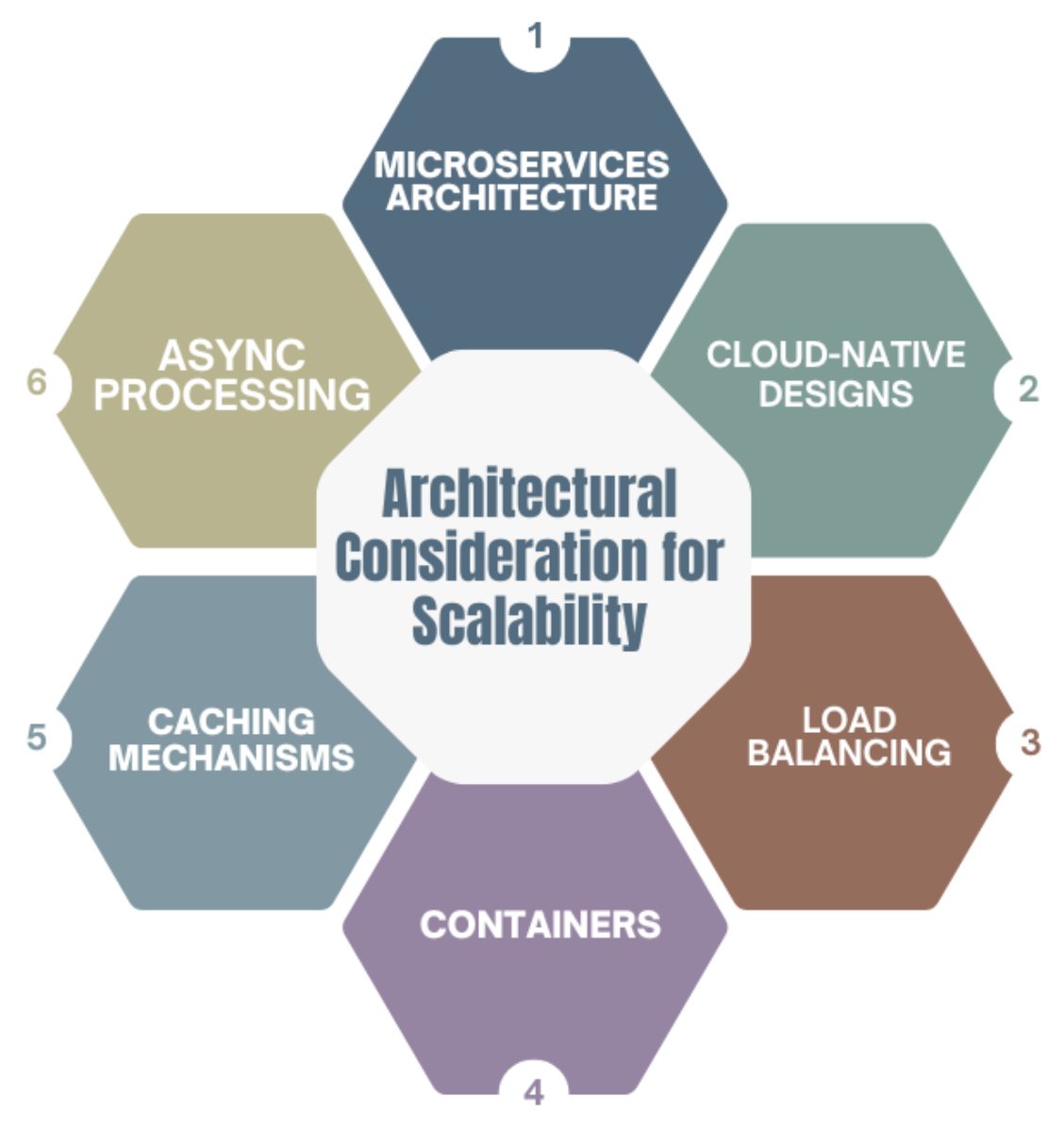
Introduction
As businesses expand, so do the demands placed on their software applications. What works well for a startup with a few hundred users may struggle when thousands—or even millions—of users access the same system simultaneously. Without proper scalability, applications can experience slow performance, downtime, security issues, and poor user experiences, ultimately impacting customer satisfaction and business growth.
Software scalability is no longer a luxury reserved for large enterprises. In 2026, organizations of all sizes must build applications capable of handling increasing workloads, growing user bases, and evolving business requirements without compromising performance or reliability.
This guide explores software scalability, why it matters, common scalability challenges, and proven best practices for building applications that can grow seamlessly alongside your business.
What Is Software Scalability?
Software scalability refers to an application's ability to efficiently handle increasing workloads, users, transactions, or data volumes while maintaining consistent performance and reliability.
A scalable application can grow without requiring a complete redesign or significant disruptions to existing operations.
There are two primary types of scalability:
Vertical Scalability (Scaling Up)
Vertical scaling involves increasing the resources of a single server, such as adding more CPU, RAM, or storage.
Advantages include:
- Simple implementation
- Minimal architectural changes
- Suitable for smaller applications
However, hardware limitations eventually restrict further growth.
Horizontal Scalability (Scaling Out)
Horizontal scaling involves adding multiple servers or instances to distribute workloads efficiently.
Benefits include:
- Higher availability
- Better fault tolerance
- Improved performance
- Greater flexibility
- Easier long-term expansion
Most modern cloud-native applications rely on horizontal scalability.
Why Software Scalability Matters
Scalable software delivers long-term business value by supporting growth without sacrificing user experience.
Supports Business Growth
As businesses acquire more customers, applications must accommodate increasing traffic and data without performance issues.
Improves User Experience
Fast-loading applications with minimal downtime create positive customer experiences and improve retention.
Reduces Long-Term Costs
Building scalability into software from the beginning is far more cost-effective than rebuilding systems after growth.
Enhances Reliability
Scalable systems distribute workloads efficiently, reducing the likelihood of server failures and service interruptions.
Future-Proofs Technology Investments
Scalable applications can adapt to new business requirements, technologies, and market opportunities.
Common Challenges to Software Scalability
Organizations often encounter several obstacles when scaling applications.
Monolithic Architecture
Applications built as a single large codebase become difficult to scale as complexity increases.
Database Bottlenecks
Large volumes of data can slow database performance if optimization strategies are not implemented.
Poor Resource Management
Inefficient use of computing resources leads to unnecessary infrastructure costs and performance issues.
Network Latency
Applications serving users across multiple regions may experience slower response times without proper optimization.
Legacy Systems
Older software architectures often lack the flexibility required for modern scalability.
Software Scalability Best Practices
1. Design with Scalability in Mind
Scalability should be considered from the earliest stages of software planning.
Architectural decisions made during development significantly impact future expansion.
Businesses investing in Custom Software Development Services can design scalable solutions tailored to current requirements while ensuring flexibility for future business growth.
2. Adopt Microservices Architecture
Instead of building one large application, divide software into smaller independent services.
Benefits include:
- Independent deployment
- Easier maintenance
- Faster updates
- Better fault isolation
- Improved scalability
Microservices allow individual components to scale independently based on demand.
3. Leverage Cloud Computing
Cloud platforms provide flexible infrastructure that automatically adjusts to changing workloads.
Cloud scalability offers:
- On-demand resources
- Pay-as-you-go pricing
- Global availability
- Disaster recovery
- High availability
Cloud-native applications can rapidly respond to traffic fluctuations.
4. Implement Load Balancing
Load balancers distribute incoming requests across multiple servers.
This helps:
- Prevent server overload
- Improve application performance
- Increase system reliability
- Minimize downtime
Load balancing is essential for high-traffic applications.
5. Optimize Database Performance
Databases often become performance bottlenecks as applications grow.
Optimization techniques include:
- Database indexing
- Query optimization
- Read replicas
- Database partitioning
- Caching frequently accessed data
Efficient databases improve overall application responsiveness.
6. Use Caching Strategically
Caching stores frequently requested information closer to users.
Benefits include:
- Faster response times
- Reduced database load
- Improved scalability
- Lower infrastructure costs
Popular caching strategies include browser caching, server-side caching, and distributed caching.
7. Automate Infrastructure Management
Infrastructure automation reduces manual effort while improving deployment consistency.
Organizations implementing DevOps & Cloud Services can automate infrastructure provisioning, application deployment, monitoring, and scaling to ensure applications remain reliable during periods of rapid growth.
8. Continuously Monitor Performance
Scalable applications require ongoing monitoring.
Track key metrics such as:
- CPU usage
- Memory consumption
- Response times
- Error rates
- Network latency
- Database performance
Real-time monitoring helps identify issues before they impact users.
9. Optimize API Performance
Modern applications rely heavily on APIs.
Improve API scalability by:
- Reducing unnecessary requests
- Using pagination
- Compressing responses
- Implementing rate limiting
- Monitoring API usage
Efficient APIs improve overall system performance.
10. Perform Regular Performance Testing
Performance testing validates application behavior under heavy workloads.
Important testing types include:
- Load Testing
- Stress Testing
- Scalability Testing
- Endurance Testing
- Spike Testing
Testing helps identify limitations before real users experience problems.
Key Technologies Supporting Scalability
Modern software scalability depends on several technologies.
These include:
- Cloud Computing
- Containers (Docker)
- Kubernetes
- Content Delivery Networks (CDNs)
- Distributed Databases
- Serverless Computing
- Artificial Intelligence
- Monitoring and Observability Platforms
Combining these technologies creates resilient and highly scalable applications.
Common Scalability Mistakes to Avoid
Many organizations encounter avoidable scalability problems.
Ignoring Performance Early
Waiting until traffic increases often results in expensive architectural changes.
Poor Database Design
Unoptimized databases significantly reduce scalability.
Overlooking Security
Scaling should never compromise application security.
Manual Infrastructure Management
Manual processes become inefficient as applications grow.
Inadequate Monitoring
Without monitoring, identifying scalability issues becomes difficult.
Benefits of Scalable Software
Businesses investing in scalability enjoy numerous advantages.
- Better application performance
- Higher customer satisfaction
- Reduced downtime
- Lower operational costs
- Faster feature releases
- Improved security
- Greater business agility
- Easier maintenance
- Increased revenue opportunities
- Long-term technology sustainability
Scalable software supports continuous business growth while maintaining operational excellence.
Future Trends in Software Scalability
Software scalability continues evolving alongside emerging technologies.
AI-Powered Resource Optimization
Artificial Intelligence dynamically allocates computing resources based on demand.
Edge Computing
Applications process data closer to users, reducing latency.
Serverless Architecture
Developers focus on application logic while cloud providers automatically manage scaling.
Kubernetes Adoption
Container orchestration continues simplifying application deployment and scaling.
Multi-Cloud Strategies
Organizations increasingly distribute workloads across multiple cloud providers to improve resilience and flexibility.
How Businesses Can Build Scalable Applications
To ensure long-term success, organizations should:
- Design scalable architecture from the beginning
- Adopt cloud-native technologies
- Optimize databases regularly
- Implement intelligent caching
- Automate deployments
- Continuously monitor system health
- Conduct routine performance testing
- Prioritize security at every stage
- Review infrastructure as business needs evolve
Scalability should be treated as an ongoing strategy rather than a one-time implementation.
Conclusion
Software scalability is a critical factor in building applications that can support long-term business growth. As customer expectations, data volumes, and digital services continue to expand, organizations need software capable of handling increasing demand without sacrificing performance, reliability, or security.
By adopting scalable architectures, leveraging cloud technologies, optimizing databases, implementing automation, and continuously monitoring performance, businesses can create future-ready applications that adapt to changing market needs. Investing in scalability from the beginning not only reduces long-term development costs but also ensures a better user experience and a stronger competitive advantage.
Whether you're launching a startup product or modernizing an enterprise platform, scalable software provides the flexibility and resilience needed to grow confidently in today's digital landscape.
Frequently Asked Questions (FAQs)
1. What is software scalability?
Software scalability is the ability of an application to handle increasing users, workloads, transactions, or data while maintaining optimal performance and reliability.
2. Why is software scalability important?
Scalability helps businesses support growth, improve application performance, reduce downtime, optimize infrastructure costs, and deliver a consistent user experience.
3. What is the difference between vertical and horizontal scalability?
Vertical scalability increases the resources of a single server, while horizontal scalability adds multiple servers or instances to distribute workloads more efficiently.
4. How can businesses build scalable software?
Businesses can build scalable software by using cloud infrastructure, adopting microservices architecture, optimizing databases, implementing caching, automating infrastructure, and performing regular performance testing.
5. What are the biggest challenges in software scalability?
Common challenges include monolithic architecture, database bottlenecks, poor resource management, legacy systems, network latency, and inadequate performance monitoring.
6. Which industries benefit most from scalable software?
Industries such as eCommerce, healthcare, banking, logistics, SaaS, education, and manufacturing all benefit from scalable applications that can handle growing customer demands.
7. How does cloud computing improve software scalability?
Cloud computing provides on-demand infrastructure, automatic resource scaling, global availability, high reliability, and cost-efficient resource management, making it easier to scale applications as demand changes.
8. When should scalability be considered during software development?
Scalability should be planned from the initial design phase. Building scalability into the software architecture early helps avoid costly redesigns and ensures the application can grow efficiently as business requirements evolve.